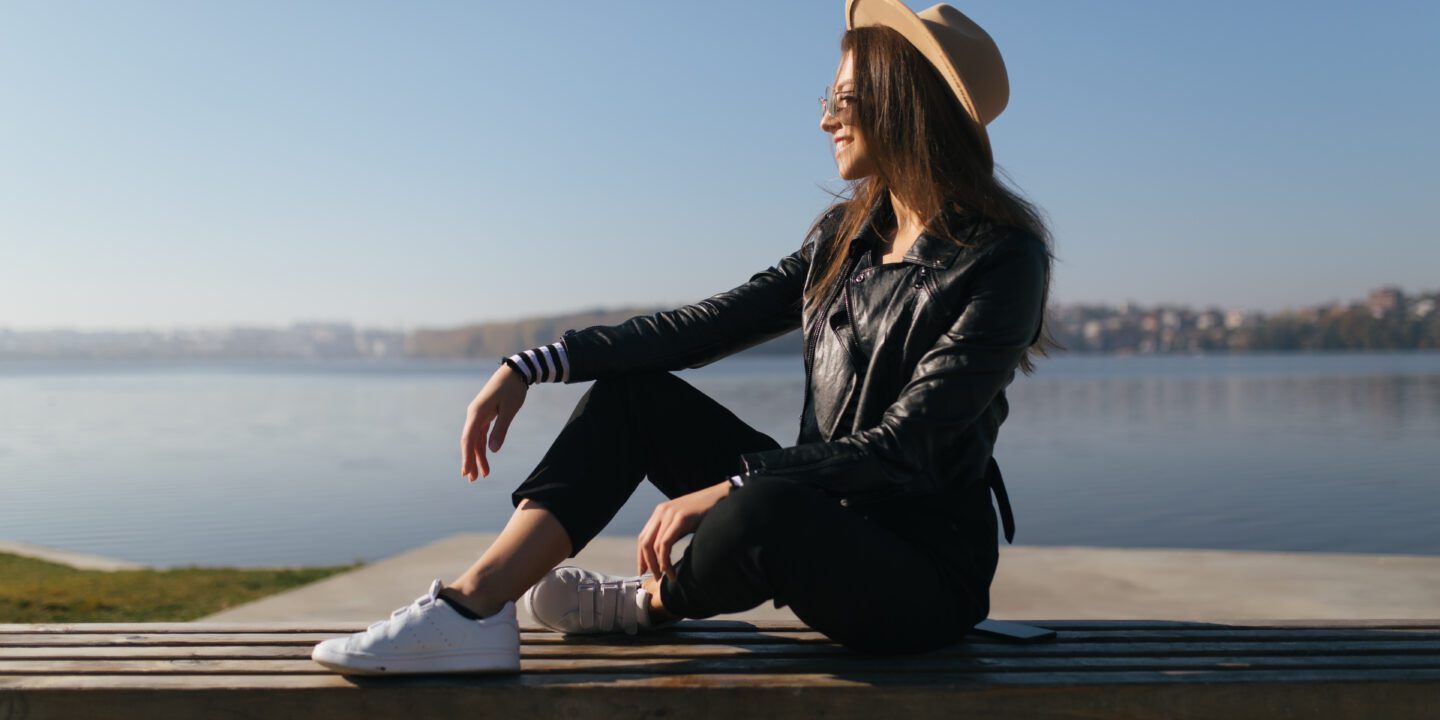

Lifestyle is not just about how we live, but about how we choose to shape our everyday experiences. It reflects our habits, priorities, values, and mindset. From the way we start our mornings to how we relax at night, lifestyle choices influence our physical health, mental peace, and overall happiness. A balanced lifestyle helps individuals feel more fulfilled and in control of their lives.
Understanding the Meaning of Lifestyle
Lifestyle represents the patterns and behaviors that define daily life. It includes routines, work habits, relationships, health choices, and personal interests. Everyone’s lifestyle is different because it is shaped by culture, environment, goals, and personal beliefs. Understanding one’s lifestyle is the first step toward making positive and meaningful changes.
The Importance of a Balanced Lifestyle
Balance is essential for a healthy lifestyle. When work, rest, and personal time are properly balanced, life feels more manageable and less stressful. An unbalanced lifestyle often leads to burnout, anxiety, and dissatisfaction. Creating balance allows individuals to perform better in their responsibilities while still enjoying personal growth and relaxation.
Daily Habits That Shape Life
Small daily habits have a powerful impact on lifestyle. Simple actions like waking up early, staying organized, practicing gratitude, or maintaining a regular sleep schedule can significantly improve quality of life. Healthy habits build consistency and discipline, making it easier to achieve long-term goals. Over time, these habits shape a more positive and productive lifestyle.
Health as the Foundation of Lifestyle
Physical and mental health are the foundation of a good lifestyle. Regular exercise, balanced nutrition, and proper rest keep the body energized and strong. Mental well-being is equally important, as stress and negative thoughts can affect daily life. Taking care of health improves focus, confidence, and emotional stability.
Mindfulness and Mental Well-Being
Mindfulness plays a key role in a healthy lifestyle. Being present in the moment helps reduce stress and improve clarity. Practices such as meditation, journaling, or quiet reflection encourage emotional balance. Mindfulness allows individuals to respond thoughtfully to situations instead of reacting impulsively, creating a calmer and more intentional way of living.
Work-Life Balance in Modern Living
In today’s digital world, maintaining work-life balance has become challenging. Long working hours and constant connectivity can blur personal boundaries. A healthy lifestyle includes setting limits, taking breaks, and making time for personal interests. Proper work-life balance improves productivity while protecting mental and emotional health.
Lifestyle and Personal Growth
A positive lifestyle supports continuous personal growth. Reading, learning new skills, and exploring creative interests help individuals grow intellectually and emotionally. Personal growth encourages self-awareness and confidence. A lifestyle that prioritizes learning and self-improvement leads to long-term success and satisfaction.
The Role of Relationships in Lifestyle
Relationships strongly influence lifestyle quality. Spending time with supportive family and friends creates emotional stability and happiness. Healthy relationships encourage communication, understanding, and mutual respect. A balanced lifestyle includes nurturing meaningful connections while maintaining personal boundaries.
Simplicity in Everyday Living
Simple living has gained popularity in modern lifestyles. Reducing clutter, managing time wisely, and focusing on what truly matters brings peace and clarity. A simple lifestyle does not mean giving up comfort but choosing intentional living. Simplicity helps reduce stress and increases appreciation for everyday moments.
Digital Lifestyle and Screen Balance
Technology is an essential part of modern lifestyle, but overuse can affect well-being. Managing screen time and taking digital breaks improves focus and mental health. A balanced digital lifestyle allows individuals to enjoy technology without becoming dependent on it. Creating boundaries with devices helps maintain real-life connections.
Self-Care as a Lifestyle Choice
Self-care is not a luxury but a necessity. Taking time for rest, hobbies, and relaxation improves emotional well-being. Self-care practices such as exercise, proper sleep, and personal time help recharge energy. Making self-care a regular part of lifestyle promotes long-term health and happiness.
Lifestyle and Financial Awareness
Financial habits also shape lifestyle. Budgeting, saving, and responsible spending reduce stress and provide security. A financially mindful lifestyle allows individuals to plan for the future while enjoying the present. Financial balance supports freedom and peace of mind.
The Impact of Environment on Lifestyle
Surroundings influence lifestyle choices and mood. A clean, organized, and comfortable environment encourages positivity and productivity. Whether at home or work, creating a pleasant space supports mental clarity and motivation. Environment plays a silent but powerful role in daily living.
Adapting Lifestyle to Life Changes
Lifestyle evolves with different stages of life. Career changes, relationships, and personal goals require flexibility. Adapting lifestyle choices according to changing needs helps maintain balance and stability. Being open to change allows growth and resilience during life transitions.
Building a Sustainable Lifestyle
A sustainable lifestyle focuses on long-term well-being. Making conscious choices about health, time, and resources creates lasting benefits. Sustainability in lifestyle encourages mindful consumption, healthy routines, and emotional balance. It ensures a better quality of life for both present and future.
Lifestyle as a Reflection of Values
Lifestyle choices reflect personal values and beliefs. How individuals spend time, energy, and resources shows what they prioritize. Aligning lifestyle with values creates a sense of purpose and satisfaction. Living intentionally helps individuals feel more connected to their goals.
Conclusion
Lifestyle is a powerful combination of habits, choices, and mindset. It shapes how individuals experience daily life and long-term happiness. By focusing on balance, health, relationships, and self-awareness, anyone can create a fulfilling lifestyle. A thoughtful lifestyle is not about perfection but about making consistent choices that support well-being, growth, and peace of mind.
Gallery