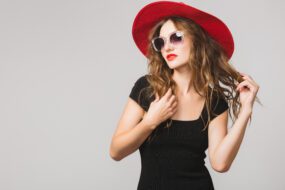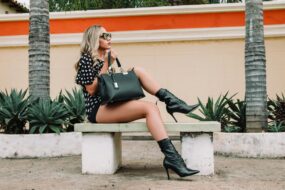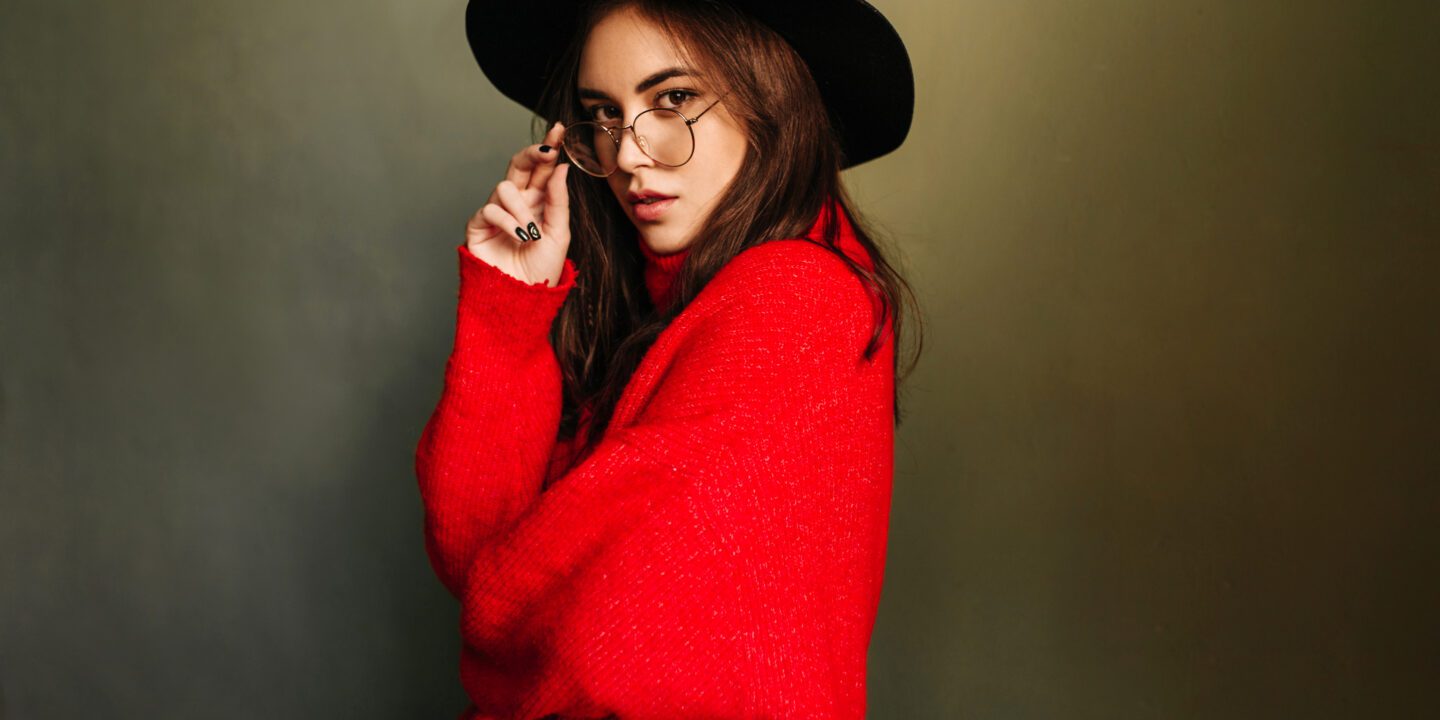

Fashion is much more than fabric stitched into garments; it is a living expression of personality, emotion, and identity. The way people dress often communicates their mood, confidence, and lifestyle before a single word is spoken. From relaxed everyday wear to elegant formal outfits, fashion influences how individuals see themselves and how the world perceives them. True style is not about blindly following trends or wearing expensive labels—it is about understanding what feels authentic and wearing it with confidence. When fashion becomes a reflection of inner self rather than external pressure, it transforms into something meaningful and empowering.
The Ever-Changing Journey of Fashion Through Time
Fashion has never remained still. Across decades and cultures, styles continue to evolve, shaped by social change, artistic expression, and technological innovation. What was once considered outdated often returns in modern form, proving that fashion moves in cycles rather than straight lines. Vintage silhouettes blend with contemporary fabrics, and traditional craftsmanship meets modern minimalism. This constant reinvention keeps fashion alive and exciting, allowing every generation to reinterpret beauty in its own voice while still respecting the past.
Personal Style: The Heart of True Elegance
While trends may dominate magazines and social media, personal style remains the true foundation of fashion. Each individual carries unique preferences influenced by comfort, culture, profession, and personality. Some people feel confident in bold colors and dramatic silhouettes, while others prefer soft neutrals and simple, clean lines. Neither approach is more fashionable than the other—because real elegance comes from authenticity. When clothing reflects who a person truly is, confidence appears naturally, and that quiet confidence becomes the most attractive element of all.
Comfort and Sophistication in Modern Fashion
Modern fashion has shifted toward a thoughtful balance between comfort and sophistication. Gone are the days when style demanded discomfort or restriction. Today’s designs celebrate breathable fabrics, relaxed tailoring, and versatile pieces that move easily with daily life. This evolution reflects a deeper understanding that confidence grows when the body feels at ease. Clothing that supports both beauty and comfort allows individuals to remain stylish without sacrificing well-being, creating a more humane and practical definition of elegance.
The Emotional Language of Colors and Textures
Colors and textures silently shape the emotional impact of an outfit. Soft earth tones create calmness and maturity, while bright shades communicate energy and boldness. Smooth fabrics like silk express refinement, while natural materials such as cotton or linen feel grounded and effortless. When thoughtfully combined, these elements transform simple clothing into visual storytelling. Fashion becomes more artistic when individuals learn to choose colors and textures intentionally, allowing each outfit to express mood, season, and personality.
Building a Wardrobe That Outlives Trends
A truly stylish wardrobe is not measured by how many clothes it contains but by how thoughtfully it is built. Timeless essentials—well-fitted denim, classic shirts, elegant dresses, neutral outerwear, and quality footwear—create the foundation for countless outfit combinations. These pieces remain relevant across seasons and years, reducing the need for constant replacement. Investing in durability and versatility not only refines personal style but also encourages mindful consumption. In this way, fashion becomes less about accumulation and more about intention.
Cultural Roots and Global Inspiration
Fashion carries deep cultural meaning, often reflecting history, tradition, and collective identity. Traditional garments hold stories passed through generations, representing craftsmanship and symbolism unique to each region. In the modern world, designers blend these cultural influences with contemporary aesthetics, creating fusion styles that celebrate diversity. This global exchange enriches fashion, turning it into a shared artistic language that connects people beyond borders while still honoring individuality.
Sustainability and the New Responsibility of Style
As awareness of environmental impact grows, sustainability has become one of the most important conversations in fashion. Fast production and disposable clothing have encouraged a shift toward more conscious choices. Sustainable fashion emphasizes ethical labor, durable materials, and thoughtful purchasing. Choosing fewer but higher-quality garments supports both personal elegance and planetary health. This movement proves that fashion can remain beautiful while also becoming responsible and future-focused.
Accessories: The Quiet Power of Detail
Accessories often hold the secret to refined style. A carefully chosen watch, subtle jewelry, structured bag, or distinctive pair of shoes can elevate even the simplest outfit. These details reveal personality and intention without overwhelming the overall look. True sophistication lies not in excess decoration but in thoughtful balance. Sometimes the smallest element creates the strongest visual impression, showing that elegance often lives in subtlety.
Confidence: The Most Timeless Trend
No designer label or luxury fabric can replace confidence. The way a person carries themselves—through posture, expression, and attitude—defines how fashion is perceived. Confidence turns simplicity into beauty and transforms ordinary clothing into something memorable. When individuals feel comfortable in their own identity, their style becomes naturally powerful. Fashion should never feel like comparison; it should feel like freedom.
Minimalism and the Beauty of Simplicity
Minimalism has emerged as a defining influence in modern fashion. Clean silhouettes, neutral palettes, and uncluttered design create a sense of calm sophistication that never feels outdated. This approach values quality over quantity and intention over decoration. Minimal style simplifies daily dressing while maintaining elegance, proving that true beauty often lies in restraint rather than excess.
Digital Influence and Self-Discovery in Style
The digital age has transformed how fashion is seen and shared. Inspiration now travels instantly across the world, offering endless ideas and creativity. Yet this constant exposure also challenges individuality. The true purpose of inspiration is not imitation but self-discovery—using global ideas as guidance while still honoring personal identity. Authentic style grows stronger when shaped from within rather than copied from outside.
Fashion as Living, Moving Art
Fashion is one of the few art forms that lives in motion. Unlike paintings that remain on walls, clothing moves through streets, workplaces, and daily life. Every outfit becomes a canvas where color, texture, and form interact with human presence. This living quality makes fashion deeply personal and constantly evolving. It is art that breathes, walks, and changes with emotion.
Conclusion: Style That Lives Beyond Time
Fashion is far more than appearance—it is confidence, creativity, culture, and conscious choice woven together. Trends will continue to rise and fade, but authentic style remains timeless. By embracing comfort, sustainability, individuality, and self-belief, anyone can create a fashion identity that feels both attractive and meaningful. In the end, the most powerful fashion statement is not what we wear, but the quiet confidence with which we choose to be ourselves every single day.
Gallery