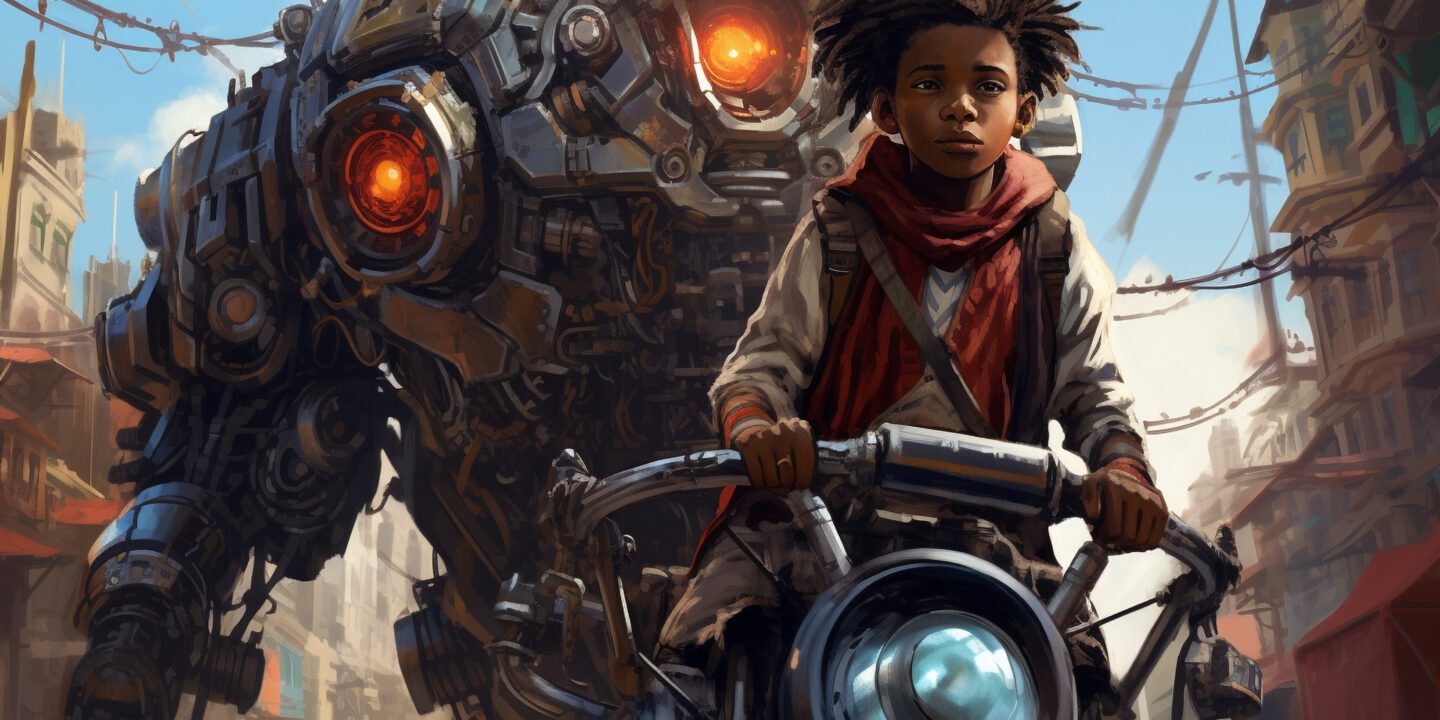

Gaming has grown far beyond a simple pastime and has become one of the most dynamic forms of modern entertainment. What once began as basic pixelated screens and simple mechanics has transformed into vast digital universes filled with storytelling, creativity, strategy, and emotional depth. Today, games are not only played for fun but also for learning, relaxation, social connection, and even professional competition. For millions of people around the world, gaming is more than a hobby—it is an experience that blends technology with human imagination in powerful and meaningful ways.
The Evolution of Games Through Time
The journey of gaming from early arcade machines to immersive virtual worlds reflects the rapid progress of technology and creativity. In the beginning, games were simple, focused on quick reactions and high scores. As computers and consoles advanced, developers introduced detailed graphics, rich sound design, and complex narratives that allowed players to feel truly involved in the experience. Modern games now offer open worlds, lifelike characters, and emotional storytelling that rival films and novels. This evolution shows how gaming has matured into a respected creative medium capable of delivering deep artistic and emotional impact.
Interactive Storytelling Like No Other Medium
One of the most unique aspects of gaming is its interactivity. Unlike movies or books, where the audience simply observes, games allow players to participate directly in the unfolding story. Choices made by the player can influence characters, events, and even endings, creating a deeply personal connection with the narrative. This sense of control transforms entertainment into experience, making each journey feel unique. Through interactive storytelling, gaming invites players not just to watch a story, but to live inside it.
A Universe of Genres for Every Personality
Gaming offers an incredible variety of genres, ensuring that every individual can find something that resonates with their interests. Action games provide excitement and fast-paced challenges, while strategy games demand patience, planning, and critical thinking. Role-playing games immerse players in rich fictional worlds where characters grow and evolve over time. Simulation games recreate real-life experiences, and puzzle games stimulate the mind through logic and creativity. This diversity makes gaming inclusive, welcoming players of all ages, backgrounds, and preferences.
Skill Development Hidden Inside Play
Although gaming is often associated with entertainment, it quietly develops valuable real-world skills. Many games improve hand-eye coordination, memory, concentration, and quick decision-making. Strategy-based gameplay strengthens logical thinking and long-term planning, while cooperative multiplayer games encourage teamwork, communication, and leadership. Even creativity grows as players design characters, build environments, or solve complex challenges. When enjoyed in moderation, gaming becomes not just play, but a subtle form of learning and mental training.
Social Connection in the Digital Age
Online gaming has transformed the way people connect with others. Players can collaborate, compete, and communicate with individuals from different countries and cultures, forming friendships that sometimes last for years. Gaming communities create shared experiences, where victories, challenges, and stories are celebrated together. For many people, especially those who feel isolated in daily life, gaming provides belonging and connection. In this way, digital worlds often build very real human relationships.
The Rise of Competitive Gaming and Esports
Competitive gaming, known as esports, has developed into a global phenomenon watched by millions. Professional players train with discipline similar to athletes, competing in tournaments that offer significant recognition and prize money. Large arenas, live broadcasts, and dedicated fan communities demonstrate how far gaming has come as a professional field. Esports proves that gaming is not merely recreation—it can also be a career path requiring skill, focus, and determination.
Gaming as a Space for Relaxation and Escape
Beyond competition and achievement, gaming also offers comfort and emotional escape. After long or stressful days, entering a beautifully designed virtual world can provide calm and distraction from real-life worries. Exploration games, creative sandbox environments, and gentle storytelling experiences allow the mind to rest while still feeling engaged. This balance of stimulation and relaxation is one reason gaming has become such a powerful emotional outlet for modern life.
The Importance of Healthy Gaming Balance
While gaming offers many benefits, balance remains essential. Excessive screen time can affect sleep, physical health, and real-world responsibilities. Healthy gaming habits include setting time limits, taking regular breaks, maintaining physical activity, and prioritizing relationships outside the screen. When approached mindfully, gaming enhances life rather than replacing it. Responsible play ensures that enjoyment remains positive and sustainable.
Creativity and Imagination Without Limits
Many modern games encourage creativity in remarkable ways. Players can design worlds, compose structures, customize characters, and invent strategies that reflect their imagination. Open-world and sandbox experiences blur the line between player and creator, turning gaming into a form of digital art. This creative freedom is one of gaming’s most inspiring qualities, proving that play can also be a powerful expression of human imagination.
Technology Shaping the Future of Gaming
Advancing technology continues to redefine what gaming can become. Virtual reality creates immersive environments that feel physically real, while augmented reality blends digital elements with the physical world. Artificial intelligence allows characters to behave more naturally, and cloud gaming makes high-quality experiences accessible without expensive hardware. These innovations suggest that the future of gaming will be even more immersive, social, and creatively limitless than today.
Emotional Impact and Meaningful Experiences
Some of the most memorable games create deep emotional experiences—joy, suspense, sadness, hope, and triumph. Players form attachments to characters and stories, feeling genuine emotion as narratives unfold. These emotional journeys prove that games can be as meaningful as literature or cinema. Gaming, at its best, becomes storytelling that is not only seen or heard, but felt.
Conclusion: More Than Just a Game
Gaming is no longer just a simple form of entertainment; it is a rich blend of art, technology, storytelling, and human connection. It offers excitement, creativity, relaxation, learning, and even professional opportunity. When enjoyed with balance and awareness, gaming becomes a positive force that expands imagination and brings people together across the world. Ultimately, gaming is not only about winning or finishing levels—it is about exploring new worlds, discovering new abilities, and experiencing the endless possibilities of play.
Gallery