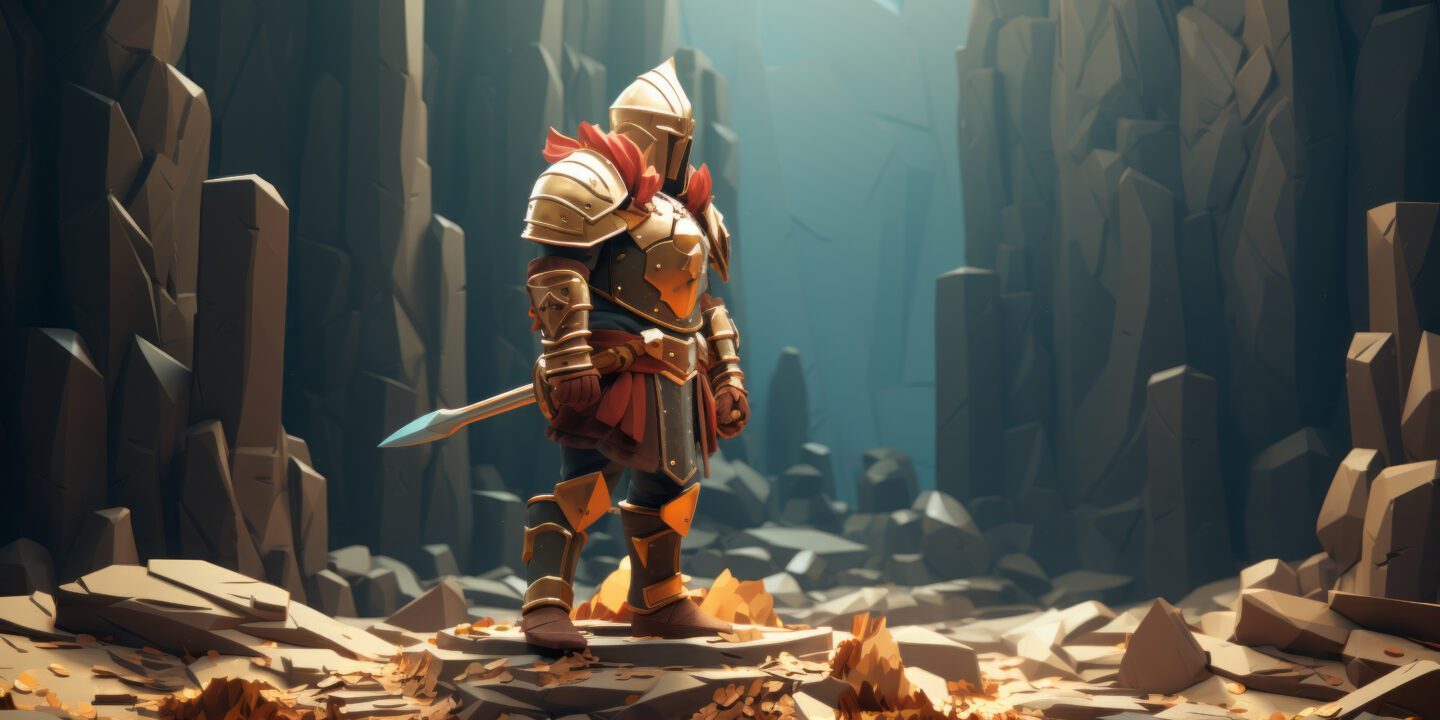

Gaming has evolved into one of the most powerful and engaging forms of modern entertainment, blending creativity, storytelling, technology, and human emotion into a single immersive experience. What once began as simple pixel-based challenges has transformed into vast digital universes filled with meaningful narratives, realistic environments, and interactive possibilities. Today, gaming is not limited to children or casual players—it is enjoyed by people of all ages as a source of relaxation, learning, competition, and connection. More than just play, gaming has become a cultural phenomenon that reflects how technology and imagination can work together to create entirely new worlds.
The Journey from Simple Screens to Living Worlds
The history of gaming is a story of constant transformation. Early video games were designed with minimal graphics and straightforward objectives, offering quick entertainment rather than deep engagement. As technology advanced, developers began crafting richer visual landscapes, emotional soundtracks, and layered storytelling that allowed players to feel part of the experience. Modern games now feature open worlds, lifelike characters, and cinematic narratives that rival films in emotional depth. This remarkable journey shows how gaming has matured into an artistic medium capable of inspiring wonder, empathy, and excitement all at once.
Interactive Storytelling That Places Players at the Center
One of gaming’s most unique strengths is its interactivity. Unlike books or movies, where audiences passively observe events, games allow players to influence outcomes through their decisions and actions. Every choice can shape the direction of a story, creating a deeply personal connection between player and narrative. This sense of control transforms entertainment into participation, making each experience feel unique and meaningful. Through interactive storytelling, gaming becomes not just something we watch—but something we live.
A World of Genres for Every Kind of Mind
Gaming’s diversity ensures that there is something for everyone. Action games provide adrenaline-filled excitement and fast reflex challenges, while strategy games reward patience, planning, and thoughtful decision-making. Role-playing adventures invite players into detailed fictional worlds where characters grow and evolve, and simulation games recreate real-life experiences with remarkable realism. Puzzle and creative sandbox games stimulate imagination and logic in quieter ways. This wide spectrum of genres makes gaming inclusive, adaptable to different personalities, moods, and interests.
Hidden Learning Inside Digital Play
Although gaming is often viewed purely as entertainment, it quietly nurtures valuable real-world skills. Many games improve concentration, memory, spatial awareness, and quick thinking. Strategic gameplay strengthens problem-solving abilities and long-term planning, while cooperative multiplayer environments encourage teamwork, communication, and leadership. Creative games even develop artistic thinking and design sense. When enjoyed thoughtfully, gaming becomes a subtle yet powerful form of learning that sharpens both mind and imagination.
Connection and Community in Virtual Spaces
Online gaming has redefined how people build relationships. Players from different countries and cultures can collaborate toward shared goals, compete in friendly rivalry, or simply explore virtual worlds together. These shared experiences often grow into genuine friendships that extend beyond the screen. For individuals who feel isolated in everyday life, gaming communities can offer belonging, understanding, and companionship. In this way, digital interaction often creates deeply human connection.
The Rise of Esports and Professional Gaming
Competitive gaming, known globally as esports, has transformed gaming into a serious professional arena. Skilled players train intensely, mastering reflexes, strategies, and teamwork to compete in tournaments watched by millions. Massive prize pools, sponsorships, and live stadium events demonstrate how far gaming has come from its casual origins. Esports proves that gaming is not merely recreation—it can be discipline, career, and global spectacle combined into one dynamic field.
Gaming as Relaxation and Emotional Escape
Beyond competition and achievement, gaming also provides comfort. Immersive environments allow players to step away from real-world stress and enter spaces filled with adventure, beauty, or calm exploration. Story-driven games can offer emotional release, while creative sandbox worlds provide peaceful freedom. After demanding days, gaming becomes a gentle escape that refreshes the mind without leaving home. This emotional balance is one reason gaming holds such lasting appeal.
The Importance of Healthy Play and Balance
Like any powerful activity, gaming must be balanced with real-life responsibilities. Excessive screen time can affect sleep, physical health, and social interaction. Healthy gaming includes setting time limits, taking movement breaks, maintaining offline relationships, and ensuring rest. When approached with awareness, gaming enhances life rather than replacing it. Balance allows players to enjoy digital worlds while still thriving in the real one.
Creativity Without Boundaries
Modern games often blur the line between player and creator. Many platforms allow users to design environments, build structures, customize characters, and invent entirely new gameplay experiences. This creative freedom turns gaming into a form of digital art and personal expression. Players are no longer just participants—they are storytellers, architects, and designers shaping their own imaginative universes.
Technology and the Future of Play
Emerging technologies continue to push gaming into exciting new territory. Virtual reality creates fully immersive environments that surround the senses, while augmented reality blends digital elements with the physical world. Artificial intelligence allows characters to respond intelligently and naturally, making stories feel alive. Cloud gaming expands access so that high-quality experiences require less hardware. These innovations suggest a future where gaming becomes even more immersive, social, and emotionally engaging.
Emotional Depth Beyond Entertainment
Some of the most memorable games leave lasting emotional impact. Players may feel joy in victory, sadness in loss, hope in storytelling, or pride in achievement. Characters and narratives can resonate deeply, creating experiences that remain meaningful long after the screen turns off. In these moments, gaming becomes more than play—it becomes art that speaks directly to human feeling.
Conclusion: More Than a Game, A New Way to Experience the World
Gaming today stands at the intersection of technology, creativity, and human connection. It entertains, teaches, relaxes, challenges, and inspires all at once. When enjoyed with balance and awareness, it becomes a positive force that expands imagination and builds community across the globe. Ultimately, gaming is not just about winning levels or completing missions—it is about exploring possibilities, discovering new strengths, and experiencing stories that remind us how limitless creativity can truly be.
Gallery