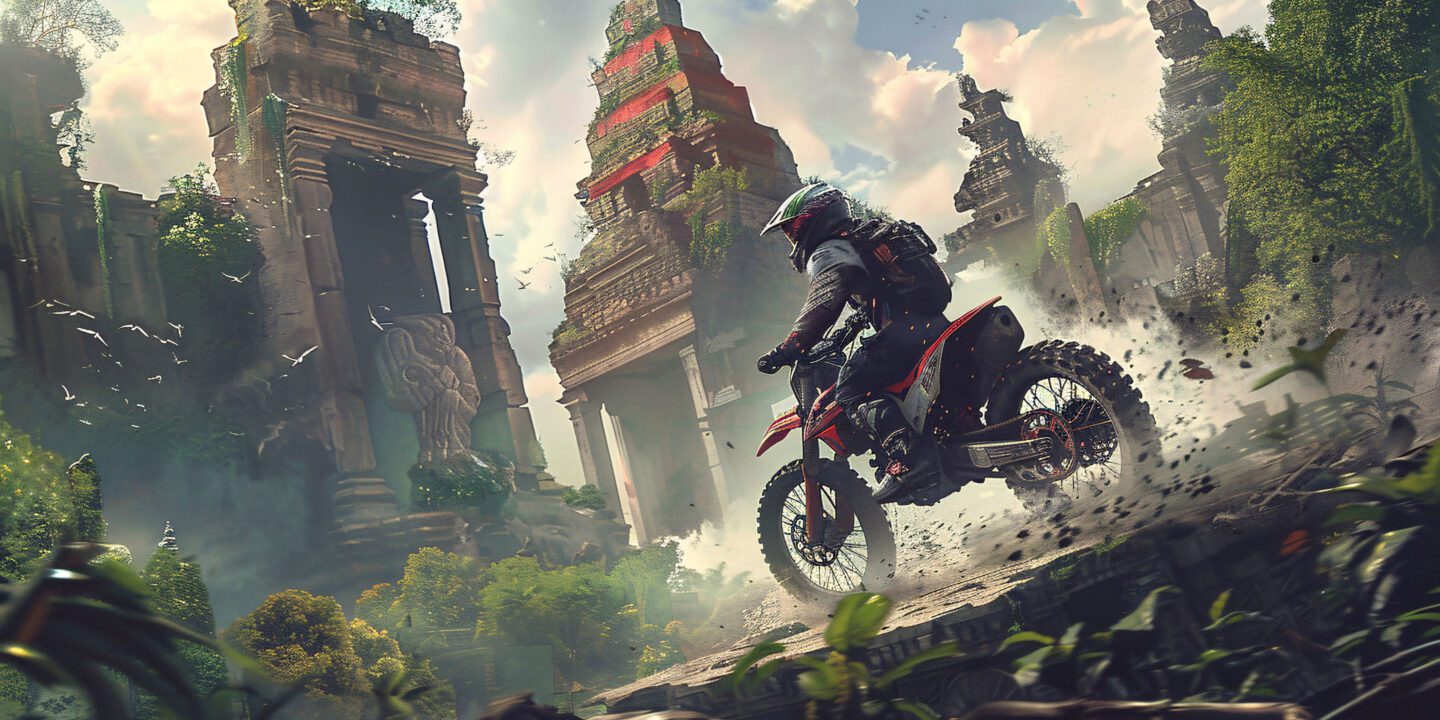

Gaming has transformed from a simple recreational activity into a powerful cultural and creative force that shapes how people relax, learn, and connect in the modern world. What once consisted of basic graphics and repetitive challenges has evolved into vast digital landscapes filled with storytelling, emotion, strategy, and artistic design. Today, gaming is not limited by age, background, or geography. It welcomes students seeking entertainment, professionals looking for relaxation, and competitive players chasing mastery. More than just a pastime, gaming has become an immersive experience that blends technology with human creativity in remarkable ways.
The Evolution from Pixels to Living Worlds
The journey of gaming through time reflects the rapid progress of technology and imagination. Early video games relied on simple mechanics, minimal visuals, and straightforward goals that focused purely on fun and challenge. As computing power expanded, developers began crafting richer environments, realistic soundscapes, and emotionally engaging narratives. Modern games now feature cinematic storytelling, open-world exploration, and characters that feel deeply human. This evolution has elevated gaming into a respected artistic medium capable of delivering experiences as meaningful as films, novels, or music.
Interactive Storytelling That Places Players Inside the Narrative
One of the most extraordinary aspects of gaming is its interactivity. Unlike traditional entertainment, where audiences passively observe events, games invite players to participate directly in the unfolding story. Every decision, movement, and strategy can influence outcomes, making each experience unique. This personal involvement creates emotional investment that is difficult to replicate in any other medium. Through interactive storytelling, gaming allows players not only to witness adventures but to live them, shaping narratives through their own choices and imagination.
A Rich Diversity of Genres for Every Player
Gaming’s greatest strength lies in its diversity. Action games deliver fast-paced excitement and adrenaline, while strategy games reward patience, planning, and deep thinking. Role-playing adventures immerse players in fictional universes where characters grow and evolve over time. Simulation games recreate real-life activities with surprising realism, and puzzle games challenge logic and creativity in quieter ways. This wide spectrum ensures that gaming remains inclusive, offering meaningful experiences for every personality and mood.
Learning and Skill Development Hidden Within Play
Although gaming is often associated with entertainment, it quietly nurtures valuable cognitive and social skills. Many games enhance concentration, memory, coordination, and rapid decision-making. Strategic gameplay strengthens analytical thinking and long-term planning, while cooperative multiplayer environments encourage teamwork, leadership, and communication. Creative sandbox games even inspire design thinking and artistic expression. When approached with balance, gaming becomes more than leisure—it becomes a subtle yet effective form of learning and mental growth.
Connection and Community in Virtual Spaces
Online gaming has redefined how people form relationships. Players from different countries can collaborate toward shared goals, compete respectfully, or simply explore digital worlds together. These interactions often grow into genuine friendships that extend beyond the screen. For individuals who feel isolated in daily life, gaming communities can provide belonging, support, and shared identity. In this way, virtual spaces often create very real emotional connections, proving that technology can bring people closer rather than separate them.
The Rise of Esports and Professional Competition
Competitive gaming, widely known as esports, has developed into a global phenomenon watched by millions. Professional players train with discipline similar to traditional athletes, mastering reflexes, teamwork, and strategy. Major tournaments fill arenas and offer significant prize pools, while streaming platforms allow fans to follow their favorite teams and personalities. Esports demonstrates that gaming is no longer just casual entertainment—it can be a demanding career path that combines passion, skill, and dedication.
Gaming as Relaxation and Emotional Escape
Beyond competition and achievement, gaming also provides comfort and emotional relief. Immersive environments allow players to step away from stress and enter worlds filled with adventure, beauty, or calm exploration. Story-driven games can offer emotional expression, while creative worlds provide peaceful freedom. After demanding days, gaming becomes a gentle form of escape that refreshes the mind without leaving home. This balance of engagement and relaxation is one of gaming’s most meaningful contributions to modern well-being.
The Importance of Healthy Gaming Balance
Despite its many benefits, gaming must remain balanced with real-world responsibilities. Excessive screen time can affect sleep, physical health, and social interaction. Healthy gaming includes time limits, regular breaks, physical movement, and meaningful offline relationships. When practiced mindfully, gaming enhances life rather than replacing it. Balance ensures that digital enjoyment supports overall well-being instead of diminishing it.
Creativity Without Limits in Digital Worlds
Modern games increasingly encourage players to become creators. Many platforms allow world-building, character customization, storytelling, and design experimentation. This freedom transforms gaming into a form of digital art where imagination has no boundaries. Players are not only participants but architects of their own experiences, shaping environments and narratives that reflect personal vision. Such creative empowerment makes gaming uniquely inspiring among entertainment forms.
Technology Shaping the Future of Gaming
Emerging technologies continue to redefine gaming’s possibilities. Virtual reality creates immersive environments that surround the senses, while augmented reality blends digital elements with the physical world. Artificial intelligence enables characters to respond intelligently, making stories feel alive and unpredictable. Cloud gaming expands access, allowing high-quality experiences without expensive hardware. These innovations suggest a future where gaming becomes even more immersive, inclusive, and emotionally engaging.
Emotional Depth and Meaningful Experiences
Some of the most memorable games leave lasting emotional impact. Players may feel joy in achievement, sorrow in loss, hope in storytelling, or pride in overcoming difficulty. Characters and narratives can resonate deeply, creating connections that remain meaningful long after gameplay ends. In these moments, gaming becomes more than entertainment—it becomes art capable of touching the human heart.
Conclusion: Beyond Play, Toward Possibility
Gaming today stands at the intersection of imagination, technology, and human connection. It entertains, educates, relaxes, and inspires in equal measure. When enjoyed with awareness and balance, it becomes a positive force that expands creativity and builds community across the world. Ultimately, gaming is not just about winning or completing levels—it is about exploring new realities, discovering hidden strengths, and experiencing the limitless potential of human imagination in digital form.
Gallery