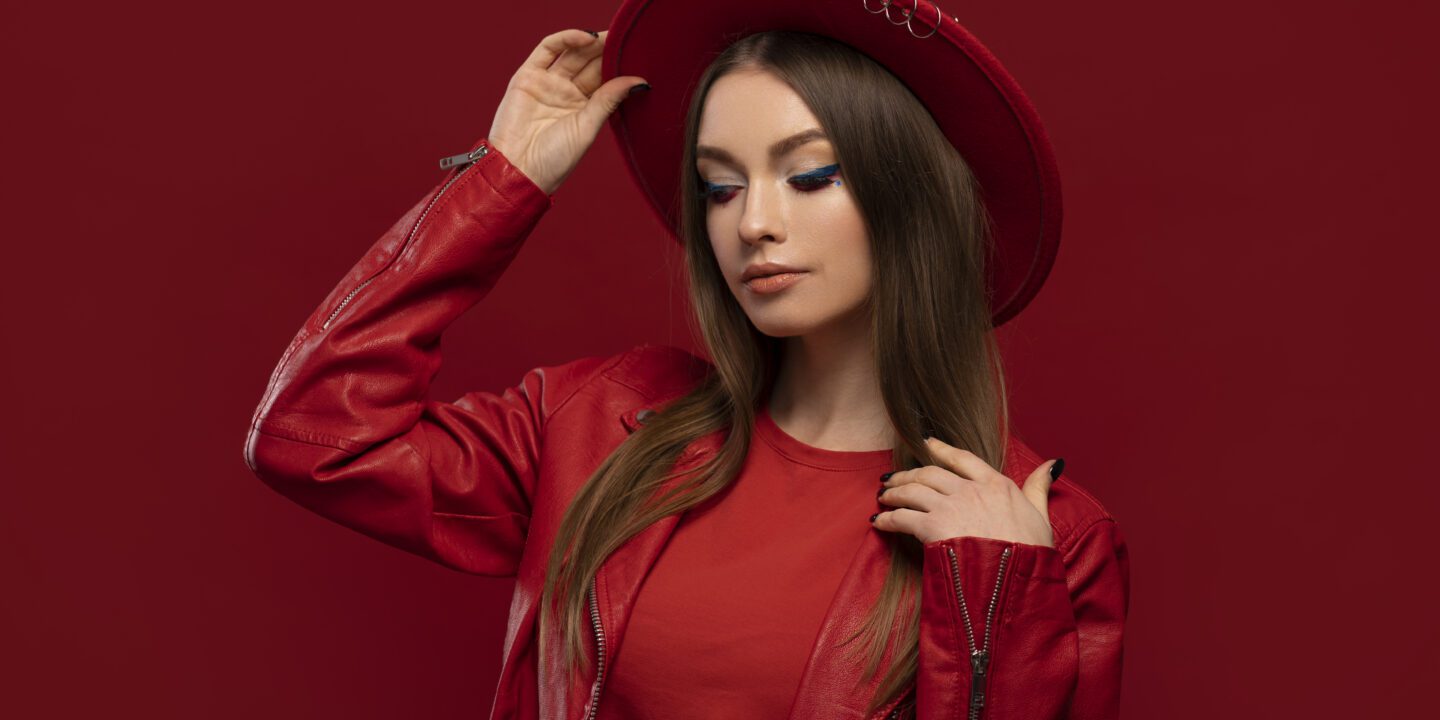

Fashion is not just about what we wear; it is about how we express ourselves through our appearance. Clothing choices reflect personality, confidence, and lifestyle. Whether it is a simple daily outfit or a carefully styled look for a special occasion, fashion plays a key role in shaping first impressions. It allows individuals to communicate their identity without speaking, making it a powerful form of self-expression.
The Continuous Evolution of Fashion
Fashion has always evolved with time. Social changes, cultural movements, and technological advancements constantly influence the way people dress. Styles that were once considered outdated often return in refreshed forms, proving that fashion moves in cycles. This continuous evolution keeps fashion interesting and relevant while maintaining a connection to the past.
Fashion as a Reflection of Identity
Personal style is what makes fashion meaningful. Every individual has unique preferences shaped by comfort, culture, and personal taste. Some people enjoy bold colors and experimental designs, while others prefer subtle and minimal looks. Fashion becomes impactful when it aligns with one’s true identity. Dressing authentically helps build confidence and creates a strong personal presence.
The Role of Trends in Modern Style
Trends add excitement and innovation to fashion. They introduce new ideas, patterns, and silhouettes that inspire creativity. However, blindly following trends can lead to a loss of individuality. Smart fashion choices involve selecting trends that suit personal style and lifestyle. This balance allows people to stay modern without compromising originality.
Comfort as a Fashion Priority
In today’s world, comfort has become an essential element of fashion. Clothing is no longer valued only for its appearance but also for how it feels. Comfortable outfits enhance confidence and support daily activities. Modern fashion successfully blends comfort with style, making clothing both practical and visually appealing.
Quality Over Quantity in Wardrobe Choices
A stylish wardrobe does not depend on the number of clothes owned but on their quality. Well-made garments last longer, fit better, and maintain their appearance over time. Investing in fewer high-quality pieces creates a refined and timeless wardrobe. This approach also encourages mindful shopping and reduces unnecessary waste.
The Importance of Colors and Fabrics
Colors and fabrics play a crucial role in defining an outfit. Neutral tones offer versatility and elegance, while bold colors add energy and personality. Fabric choice affects comfort, durability, and overall appeal. Understanding how to combine colors and materials helps create outfits suitable for different occasions and moods.
Cultural Influence on Fashion
Fashion is deeply connected to culture and tradition. Traditional clothing reflects history, values, and heritage passed down through generations. Modern fashion often blends cultural elements with contemporary designs, creating unique styles. This fusion allows individuals to honor their roots while embracing modern trends.
Sustainable Fashion and Responsibility
Sustainability has become an important topic in the fashion industry. Fast fashion has led to environmental challenges due to overproduction and waste. Sustainable fashion promotes ethical production, long-lasting clothing, and mindful consumption. Making responsible fashion choices helps protect the environment while maintaining personal style.
The Impact of Accessories on Style
Accessories play a vital role in completing an outfit. Shoes, watches, bags, and jewelry add detail and character to clothing. Even a simple outfit can look stylish with the right accessories. When used thoughtfully, accessories enhance the overall look without overpowering it.
Confidence as the Foundation of Fashion
Confidence is the most important element of style. An outfit becomes attractive when worn with self-assurance. Feeling comfortable in what you wear reflects in posture and attitude. Fashion should empower individuals, helping them feel confident and positive rather than restricted by rules.
Minimalism in Modern Fashion
Minimal fashion focuses on simplicity, clean designs, and neutral colors. It emphasizes thoughtful choices instead of excess. Minimalist outfits are timeless, easy to style, and suitable for various occasions. This approach reduces clutter and helps maintain a consistent and elegant personal style.
Dressing for Different Occasions
Fashion varies depending on situations and environments. Casual wear, formal attire, and festive outfits all serve different purposes. Knowing how to dress appropriately shows awareness and maturity. Adapting style according to occasions enhances confidence and leaves a positive impression.
Digital Media and Fashion Influence
Digital platforms have transformed how fashion is shared and followed. Trends spread quickly, and inspiration is available everywhere. While this accessibility is beneficial, it can also create pressure to follow every new style. Maintaining individuality in the digital age is essential for building a strong personal fashion identity.
Building a Timeless Wardrobe
A timeless wardrobe is built with planning and intention. Choosing versatile pieces that can be mixed and matched simplifies daily dressing. Classic designs remain stylish year after year and support long-term confidence. A well-curated wardrobe saves time and ensures consistency in appearance.
Fashion as a Creative Expression
Fashion is a form of creativity that allows individuals to experiment with colors, textures, and styles. Every outfit represents a creative decision. Fashion is not limited to designers; everyone expresses creativity through personal style choices. This freedom makes fashion enjoyable and meaningful.
The Future of Fashion
The future of fashion is moving toward inclusivity, comfort, and sustainability. Fashion rules are becoming more flexible, allowing people to define style on their own terms. This shift celebrates diversity and individuality, making fashion more accessible and relevant for everyone.
Conclusion
Fashion is much more than clothing; it is a reflection of personality, confidence, and creativity. By focusing on comfort, quality, and authenticity, anyone can develop a style that feels attractive and timeless. True fashion is not about chasing trends but about expressing individuality with confidence and purpose.
Recent Post












Gallery